

Polystyrene moulding is a decorative or functional trim made from polystyrene, a lightweight plastic material. It is commonly used in homes and buildings for interior decoration, wall finishing, and architectural details.
Common types of polystyrene moulding
- Crown moulding: Installed where the wall meets the ceiling for a decorative finish.
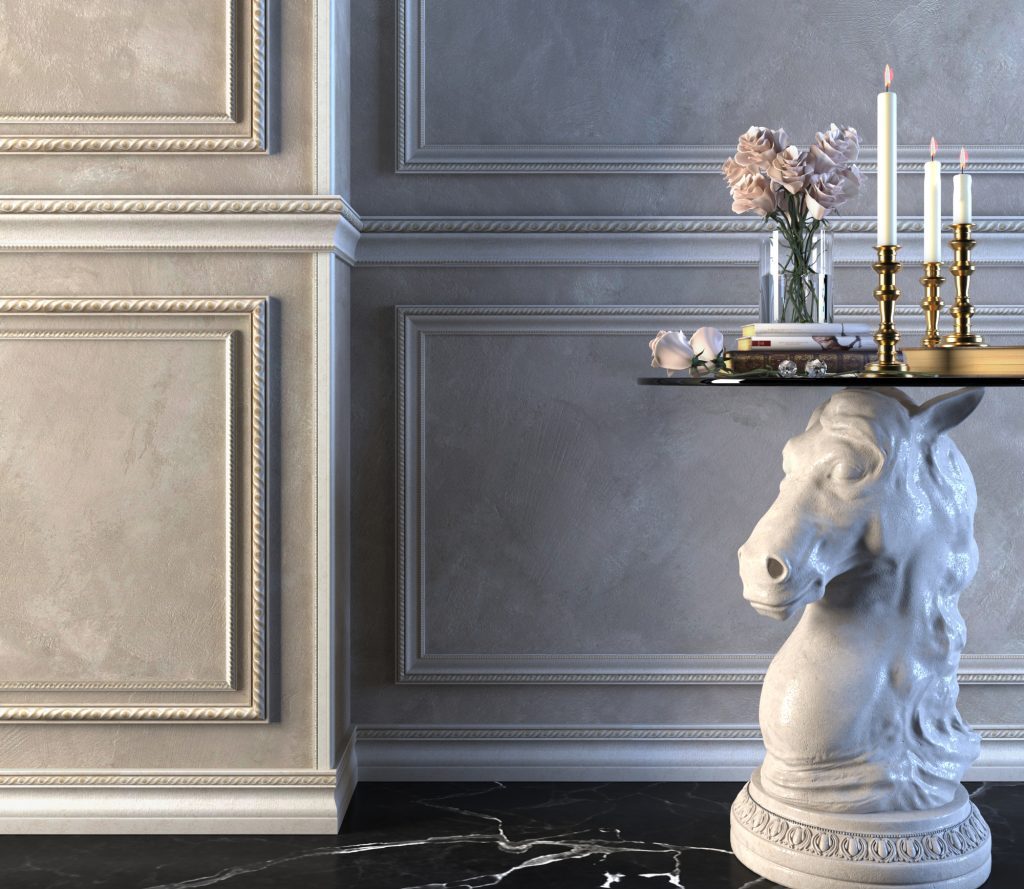
- Wall moulding: Creates decorative frames or panels on walls.
- Skirting boards (baseboards): Cover the joint between the wall and floor.
- Cornices: Decorative profiles used around ceilings and other architectural features.
- Door and window trim: Frames openings and covers gaps around doors and windows.
Advantages of polystyrene moulding
- Lightweight: Easy to carry, cut, and install.
- Affordable: Usually less expensive than wood or plaster moulding.
- Moisture-resistant: Often suitable for humid indoor areas, depending on the product.
- Easy to paint: Many types can be painted with compatible water-based paints.
- Simple installation: Commonly attached with a suitable adhesive.
Polystyrene vs. other moulding materials
| Feature | Polystyrene | Wood | Plaster |
| Weight | Lightweight | Medium | Heavy |
| Cost | Usually low | Medium to high | Varies |
| Moisture resistance | Generally good | Depends on treatment | Can be vulnerable |
| Installation | Easy | Moderate | More difficult |
| Durability | Can dent or crack | Strong, can be repaired | Hard but brittle |
Important: Polystyrene moulding is not always suitable for exterior use or near heat sources. Standard polystyrene can be damaged by high temperatures and some solvent-based adhesives, so check the manufacturer’s specifications.
In simple terms: Polystyrene moulding is a lightweight, affordable decorative trim used to make ceilings, walls, floors, doors, and windows look more finished.